ChimneyRepairsinBournemouth&Poole
Damp on a chimney breast has four possible causes and only one of them is the flashing. We work out which before quoting anything.
- Re-pointing, re-flaunching, rebuilds and removals
- The roof closed up properly if a stack comes down
- We tell you which of the four it actually is
Get a quote
Tell us what you are seeing and where.
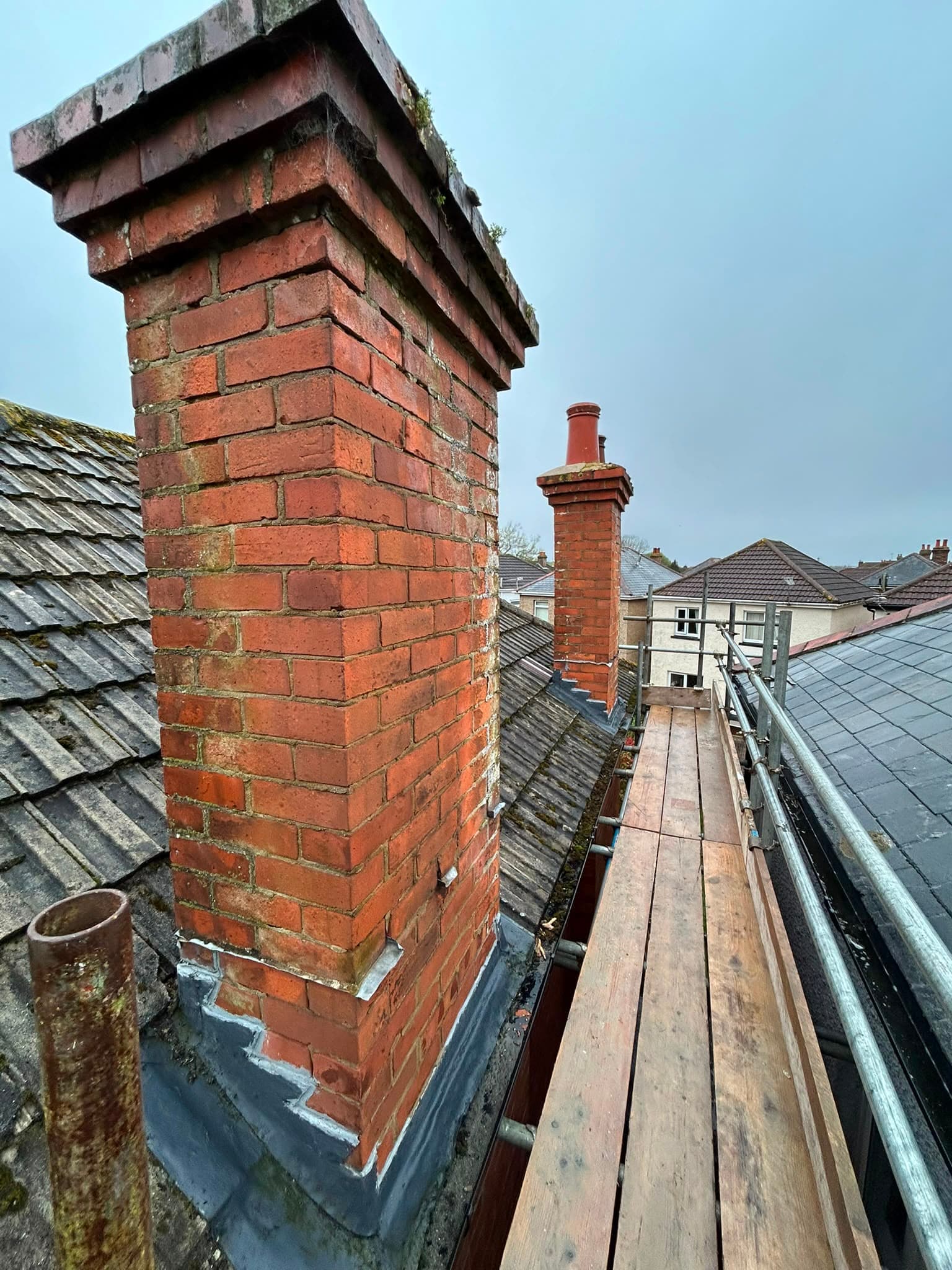
- 1 dayTwin stacks down at Moordown
- 25 yr+When stack mortar usually starts going
- 5.0 ★From 31 Google reviews
- BothOwners on every job
What chimney work actually covers
A chimney is the most exposed masonry on your house. It stands clear of the roof on all four sides, it takes weather from every direction, and unlike a wall it has nothing sheltering it. So it weathers faster than anything else, and it does it out of sight. The work divides into four. Re-pointing, where the mortar joints between the bricks have washed out. Re-flaunching, where the mortar bed the pots sit in has cracked. Rebuilding, where the brickwork itself has spalled or the stack is leaning. And removal, where the flue is redundant and you would rather not maintain it any longer. Which of those you need is not obvious from the ground, and the difference in price between them is considerable. That is why we get up and look before quoting rather than pricing off a description over the phone.
- Re-pointing, re-flaunching, rebuilding or removing
- Photographs, because nobody can see their own chimney
- Where a stack comes down, the roof is closed properly
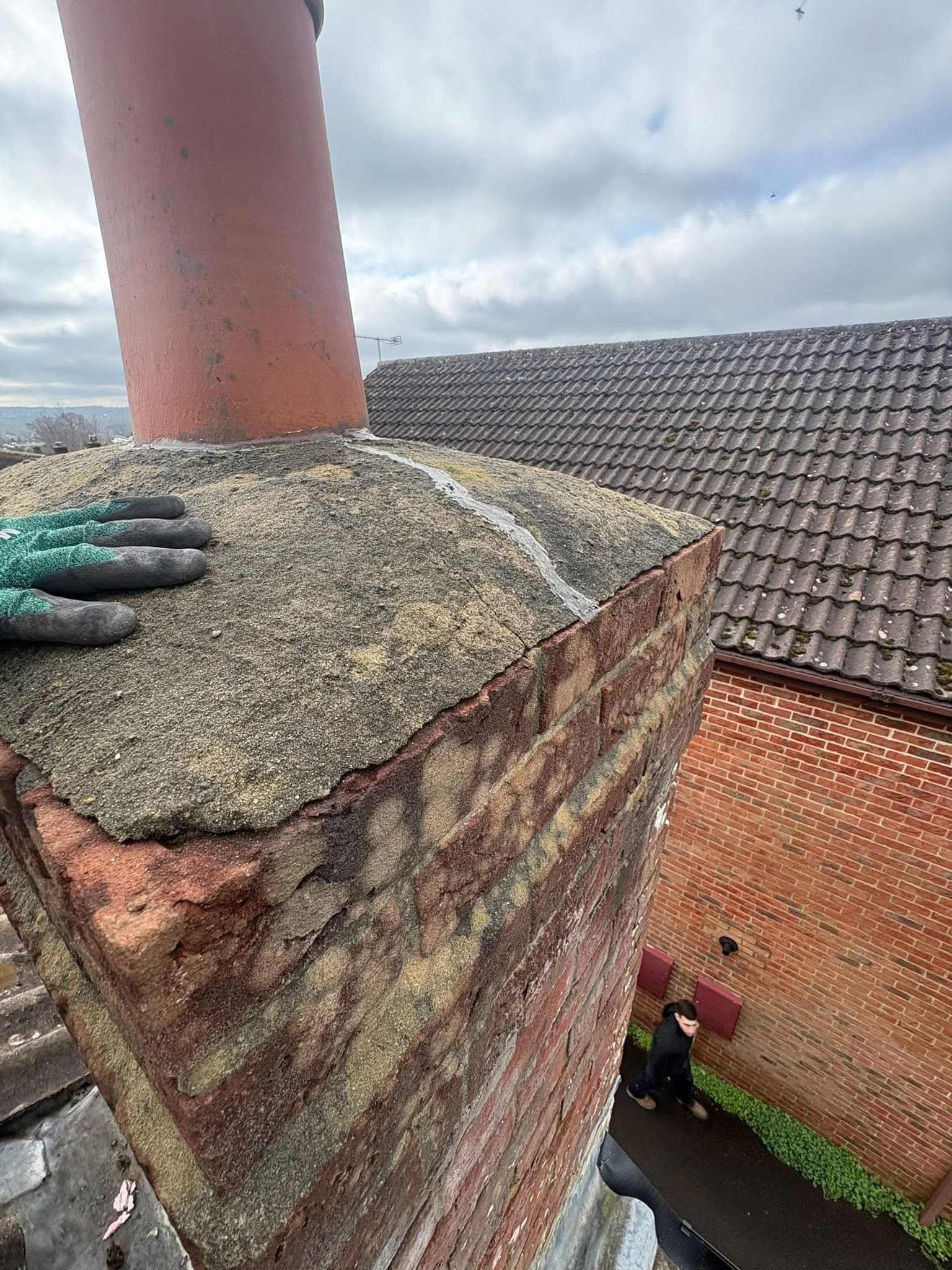
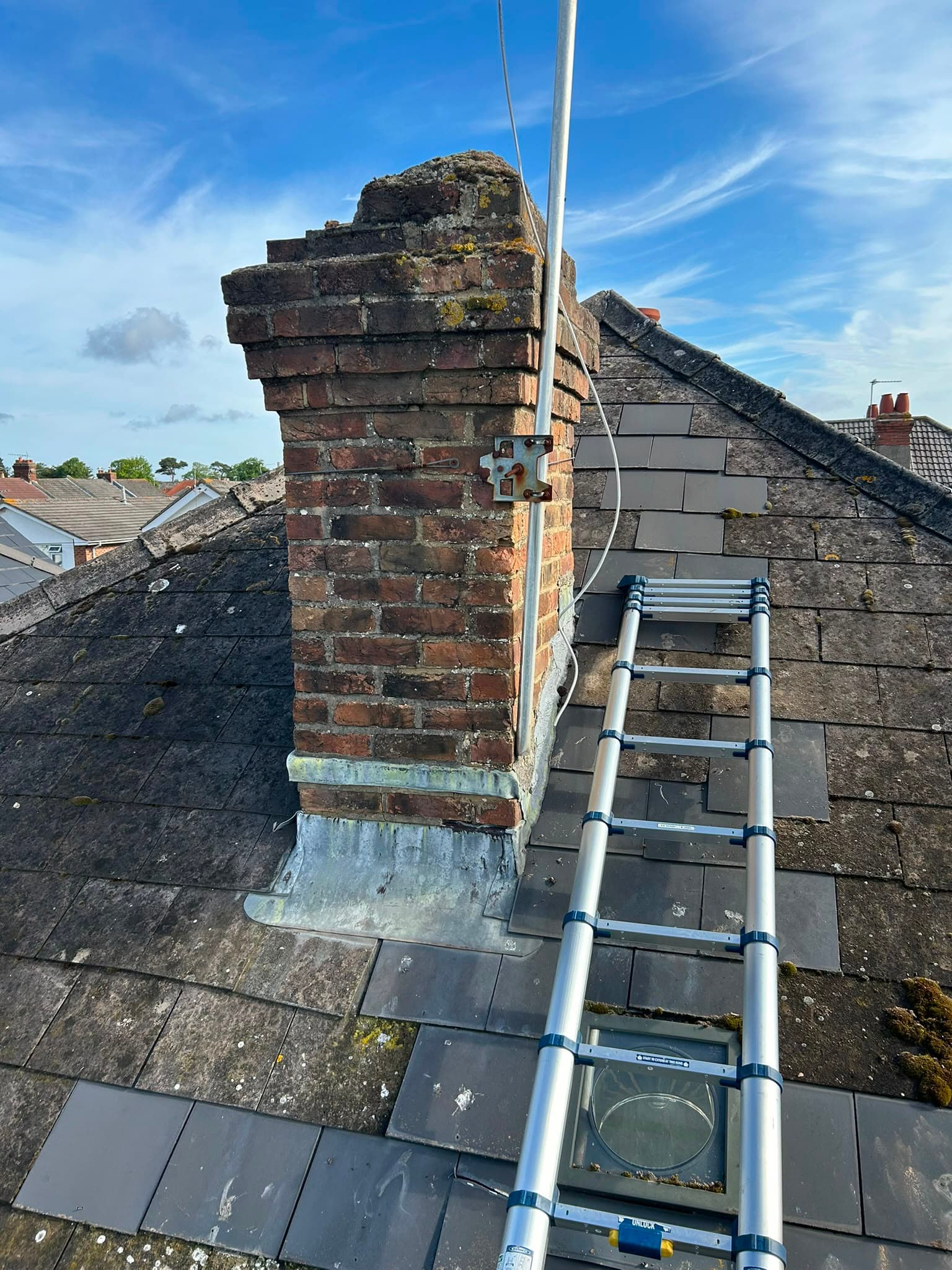 Stack re-pointed and re-flaunched
 Step 1
We work out which fault it is
Flashing, flaunching, pointing or a redundant flue. They look identical from your living room and they cost very different amounts.
 Step 2
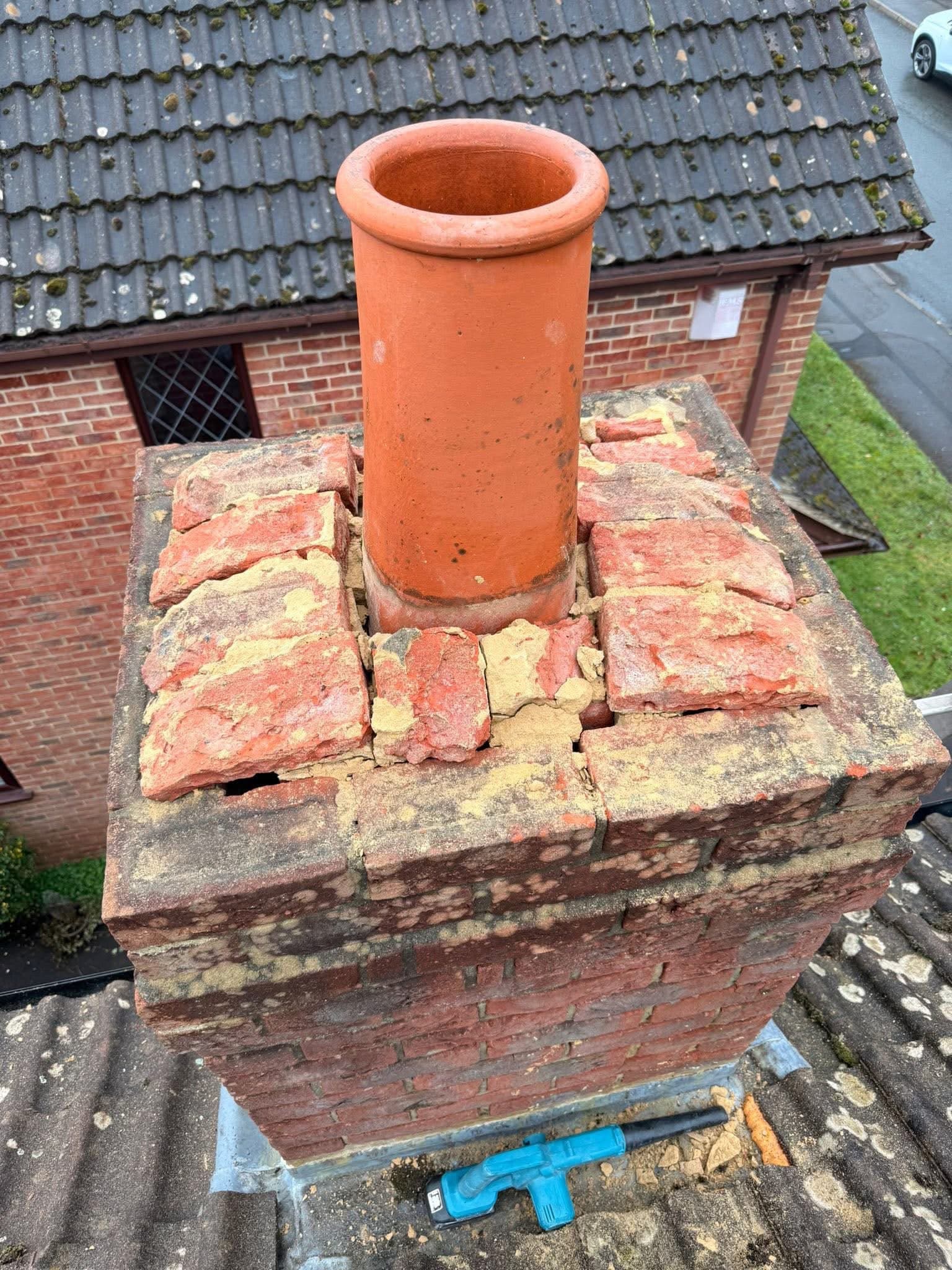
We show you the stack
Photographs from roof level. It is the one part of your house you have genuinely never seen, so you should not have to take our word for its condition.
 Step 3
We do the work and clear up
Pointed, flaunched, rebuilt or taken down. And if it comes down, the roof goes back properly rather than being patched.
4
Different faults, different prices
1 day
Moordown twin stack removal
Photos
Of every stack we look at
5
Towns we cover
Re-point, rebuild, or take it down
The right answer is usually decided by one question: do you still use the fire? Here is how the three compare.
| Re-point & re-flaunch | Rebuild the stack | Take it down | |
|---|---|---|---|
| Right when | Brickwork sound, mortar washed out | Bricks spalled, or the stack is leaning | The flue is redundant and you want rid of it |
| Scaffold | Sometimes | Yes | Yes |
| Typical run | Under a day on most stacks | A day or more | A day, plus closing the roof |
| Cost | The cheapest of the three | The dearest | Middle, and it is the last time you pay |
| Still usable after | Yes | Yes | No, and that is the point |
| Worth knowing | Often all a tired looking stack actually needs | You are rebuilding something you still have to maintain | The roof must be closed properly or you have traded one leak for another |
Swipe to see every column
What is included on chimney work
Whichever of the four the stack turns out to need.
The whole stack assessed
Pointing, flaunching, pots, flashing and the brickwork itself. Fixing one and leaving the other three is how people end up paying for scaffold twice.
Joints raked out properly
Where we re-point, the old mortar is raked back to sound material rather than smeared over. A thin skim over washed out joints falls off within a couple of winters.
Flaunching formed with a fall
The mortar bed the pots sit in is shaped to throw water off rather than left flat to hold it. Flat flaunching cracks and then feeds water straight down the flue.
Flashing checked while we are there
The stack and its flashing are one system. There is no sense re-pointing a chimney and leaving failed lead around its base.
The roof closed properly after a removal
New rafters, felt, battens and matching tiles. Taking a stack down and patching the hole is how a removal turns into a leak.
Capped and vented if the flue stays
A disused flue that is sealed at both ends sweats. Where we cap a redundant pot it gets a vented cap so the flue can still breathe.
Straight answer
What chimney work costs
Priced after we have seen the stack
The four jobs cost very different amounts, and access is often the biggest single item. A stack you can reach off a roof ladder is a different proposition from one needing scaffold up two storeys. We look, tell you which fault it is, and price that.
- Access priced honestly, and separately, so you can see it
- Only the work the stack actually needs, not all four
- Removals include closing the roof properly
- No charge for coming out and no pressure afterwards
If you are having other roof work done, doing the chimney at the same time saves the cost of a second lot of access.
How the job runs
Under a day for pointing. A day or more for a rebuild or a removal.
Diagnose
Up to the stack and into the loft. Damp on a chimney breast can be four different faults and we establish which before quoting.
Access
Roof ladder where the stack allows it, scaffold where it does not. You know which before you accept the price.
Strip out the failed work
Joints raked out, cracked flaunching removed, loose bricks taken out. Nothing gets covered over.
Rebuild or repair
Re-pointed, re-flaunched, rebuilt, or taken down and the roof closed with new rafters, felt, battens and tiles.
Flashing and clear up
Lead around the base checked and renewed if it needs it, debris cleared from the gutters below, and photographs of the finished work.
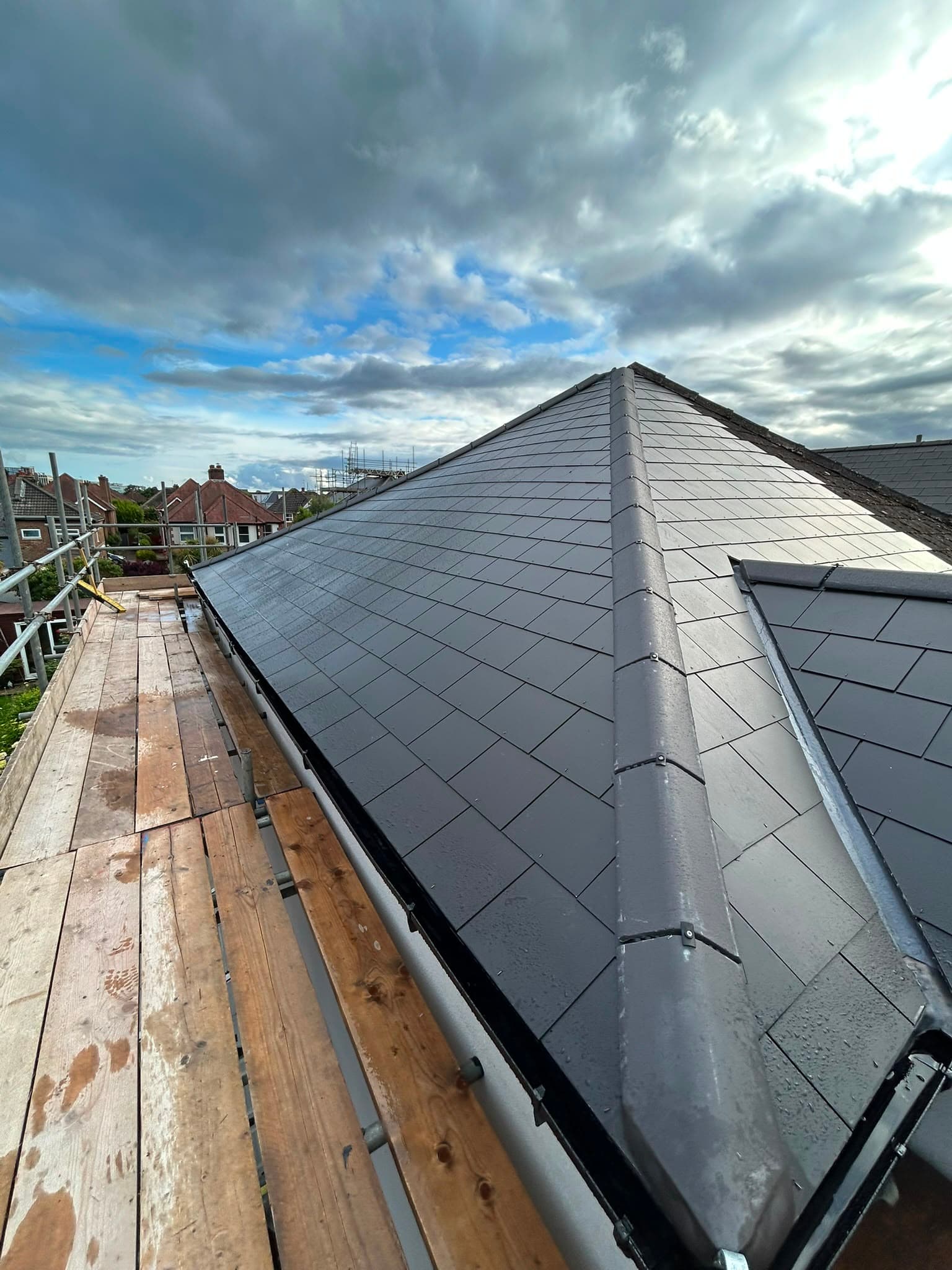
Chimney work we have done
Our own work. No stock photography.
Captions name what was done.
What customers say
We are a new company and we are building this up honestly. These are the jobs people have been kind enough to comment on.
George Gudge
Can't recommend Southern Counties Roofwork highly enough. I had them out for full re-roof / fascias & guttering - and the whole experience was spot on. Great communication, gave me a clear quote and explained everything properly. The team were punctual, polite, hardworking and obviously know their trade. The finished roof looks brilliant and is built to last. No mess left behind either.
Jacey Arnold
Recently had this company out to have my roof repaired after having problems with leaks during the winter months and something I had been looking to get sorted. The guys came out to take a look at the issues before quoting, once a quote was given work was agreed and I went ahead. Extremely professional, reliable and hard working! Would highly recommend this company and would definitely use again.
Celine Fox
Owen and Sam did a fantastic job with our roof. They were professional, reliable, friendly, and clearly take pride in the work they do. The work was completed to a really high standard, and everything was left clean and tidy afterwards. I’d definitely recommend to anyone looking for a trustworthy roofing company. Great service from start to finish!
Our projects
Jobs written up properly. What we found, what we did and how long it took.
The things people ask
Mostly about scaffold, and about whether taking it down is a mistake.
Will I need scaffold?
For pointing on a low stack, often not. For a rebuild or a removal, yes. It is usually the single biggest item on the quote, so we tell you which before you commit rather than after.
Will taking the chimney down hurt the value?
Honestly, it can, on a period property where the stacks are part of the look. On a post war semi with a redundant flue, most people never miss it. We will give you our view but it is your call.
Do I need a sweep first?
If the flue is still in use and we are working on the pots or the flaunching, a sweep beforehand is worth it. We will tell you when it applies.
The four things that cause chimney damp
They look identical from inside the house and cost very different amounts to fix. This is what we are working out when we come.
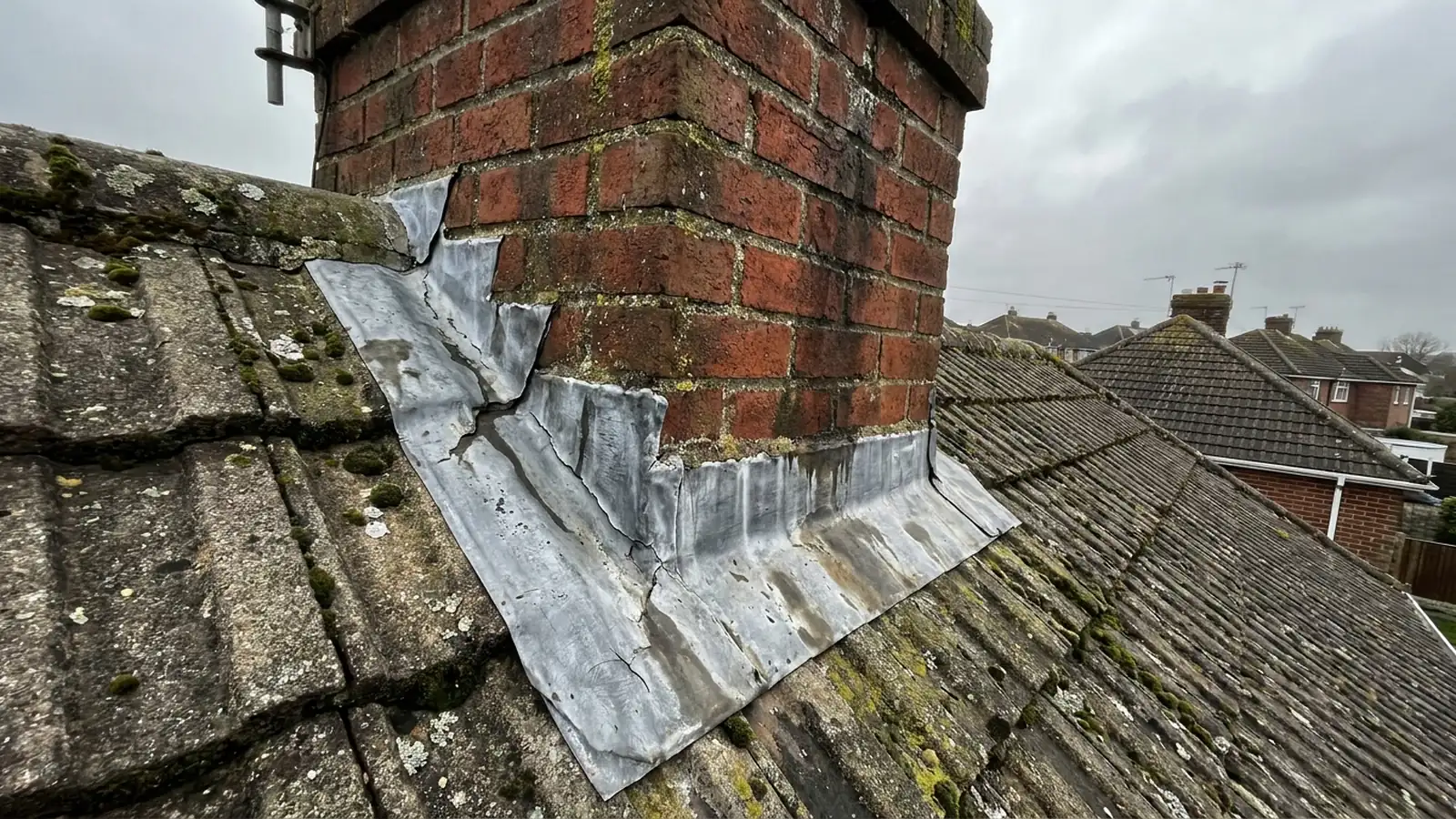
Damp at the base of the breast, worst after driving rain
What it actually isThe flashing where the stack meets the roof. The most common of the four and usually the cheapest to put right.
What it needs
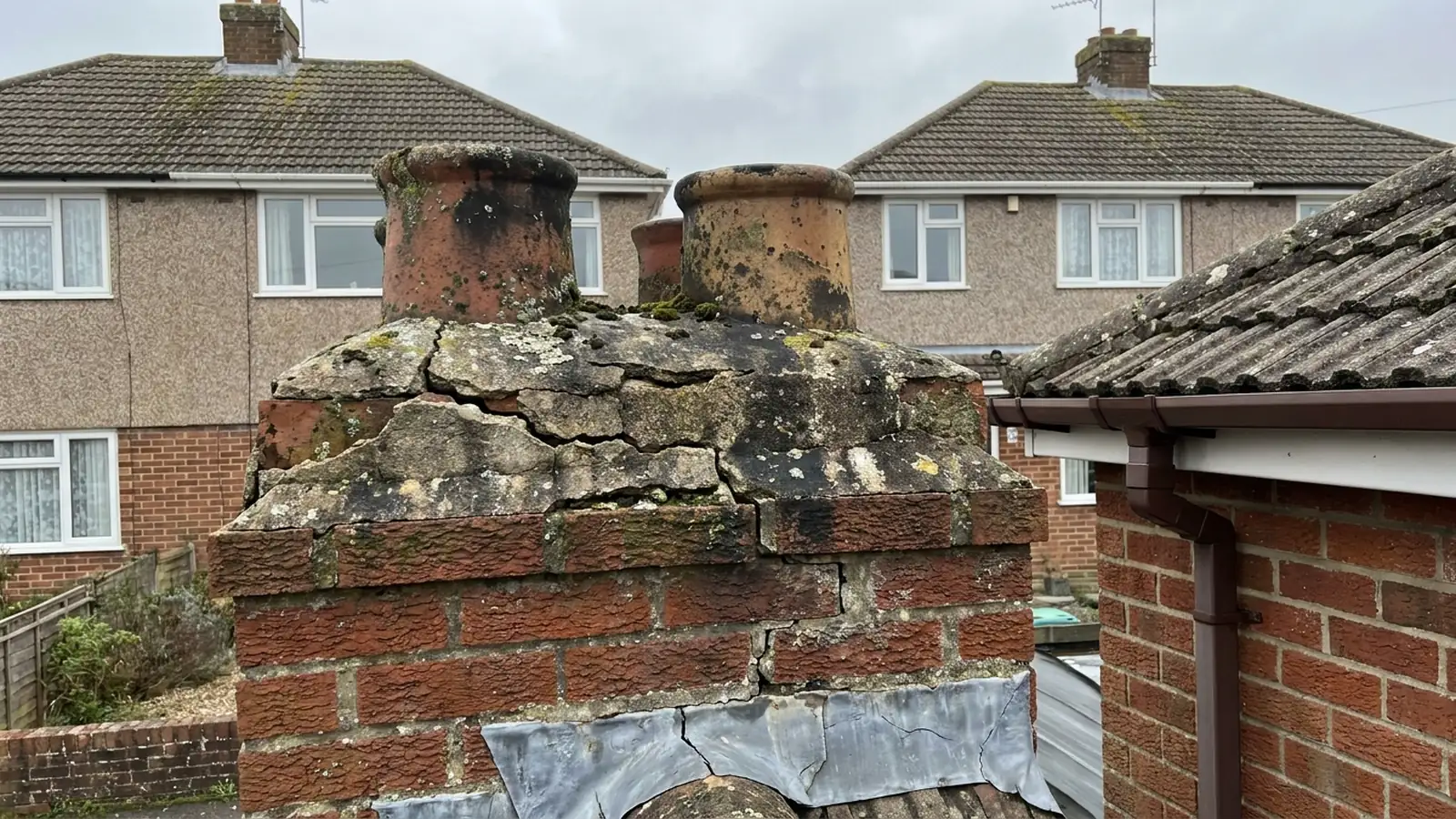
Damp higher up, or in the chimney breast in the loft
What it actually isCracked flaunching, the mortar bed the pots sit in. Water runs straight down the outside of the flue from the very top.
What it needs
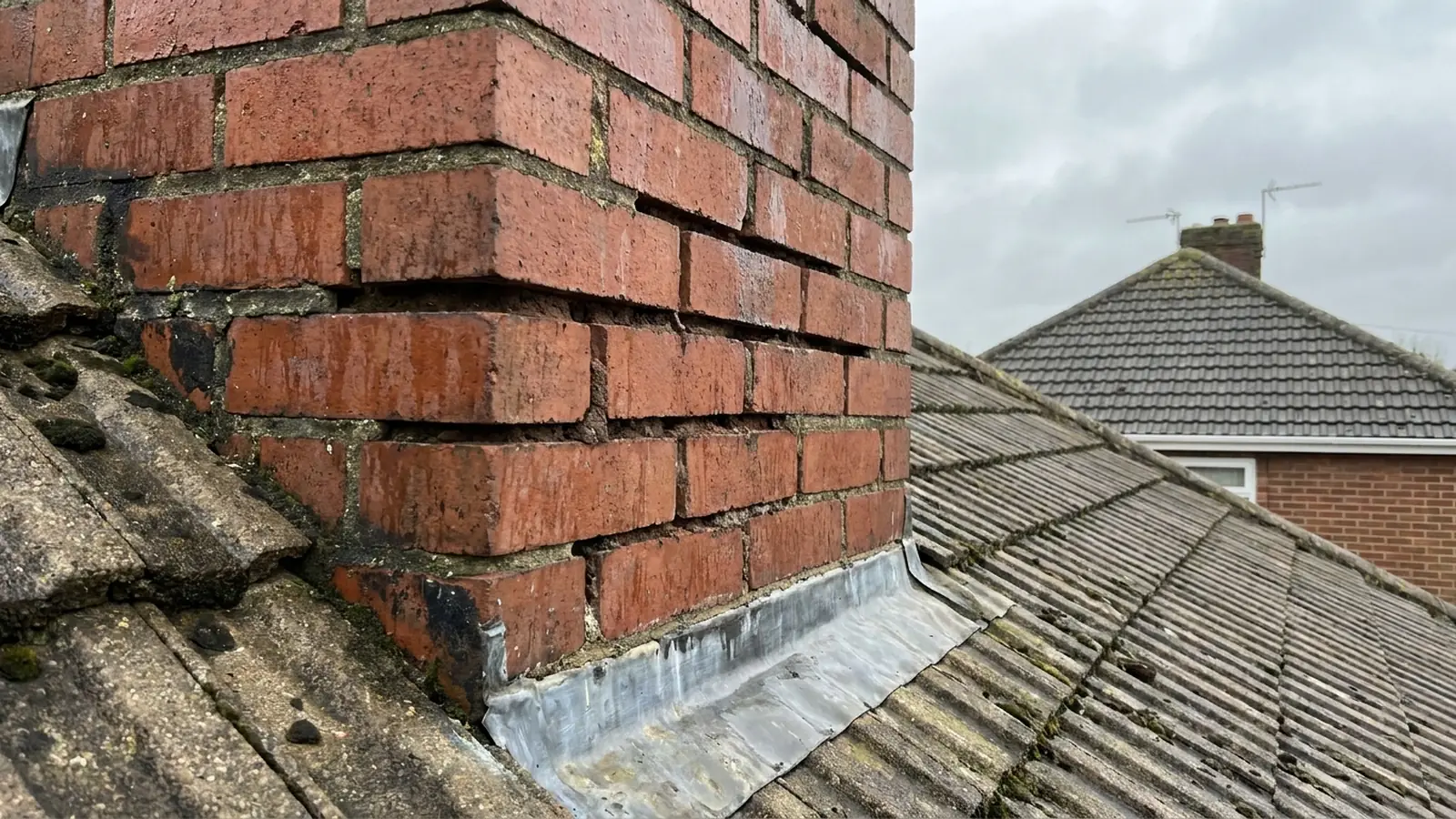
Patchy damp across the breast with no obvious pattern
What it actually isOpen mortar joints in the stack itself. The brickwork is soaking through in several places at once, which is why the damp has no single source.
What it needs
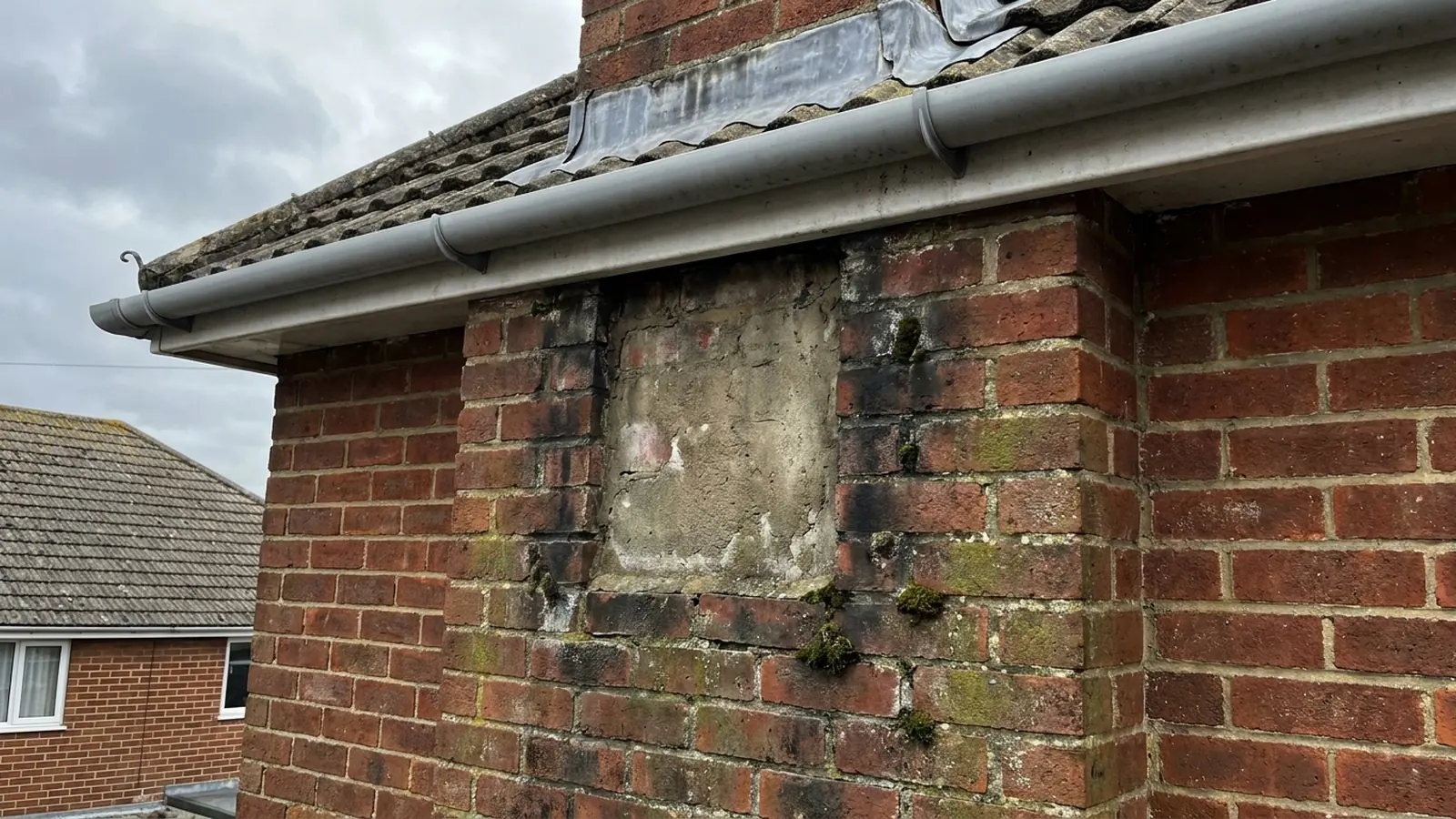
Staining and a faint smell, worse in cold weather, not linked to rain
What it actually isA redundant flue sealed at both ends. It is condensation and old soot rather than a leak, and no amount of pointing fixes it. The flue needs to breathe.
What it needs
The last one is the one most often misdiagnosed, and the most expensive to get wrong.
What to do with a chimney you no longer use
A great many of the chimneys we look at have not had a fire in them for thirty years. The flue is redundant, the stack still needs maintaining, and at some point every owner asks whether it is worth keeping.
There is no single right answer, but there are three reasonable ones. Keep it and maintain it, which makes sense on a period property where the stacks are part of how the house looks, or where you might one day put a stove back in. Cap it and leave it standing, which keeps the appearance and stops the worst of the water getting in. Or take it down.
If you cap it, the cap must be vented. A flue sealed at the top and blocked at the bottom becomes a cold damp shaft running through the middle of your house, and the moisture in it condenses and comes through the breast as staining. That is the fourth fault on the list above, it is regularly mistaken for a leak, and people spend real money on pointing that was never going to help. A vented cap lets the flue breathe and costs very little.
If you take it down, the important half of the job is the roof rather than the stack. The hole left behind needs new rafters or noggins, new membrane, battens and tiles that match what is already there. Done properly you cannot tell there was ever a chimney. Done quickly you have swapped a maintenance job for a leak, and the leak is in the middle of your roof rather than at the edge.
That is what happened at Moordown. Two redundant stacks taken down and the roof closed back up in a single day, which is the sort of job that only takes a day if you are set up to do the roofing as well as the demolition.
And if you are unsure, keeping it maintained is a perfectly good answer. Re-pointing a sound stack is not an expensive job, and it buys you a couple of decades to decide.
Questions about chimney repairs
There is damp on my chimney breast. Is it the flashing?
It is the most likely of the four causes, but not the only one. It can also be cracked flaunching around the pots, open mortar joints in the stack, or condensation in a sealed redundant flue. They need completely different fixes, so we work out which before quoting.
How much does chimney re-pointing cost?
It depends on the size of the stack and, more than anything, on the access. A low stack reachable off a roof ladder is a different job from one needing scaffold up two storeys. We price the access separately so you can see it.
Should I take the chimney down?
If the flue is genuinely redundant and the stack needs work, it is worth considering, because it removes the maintenance permanently. If you still use the fire, or might, repair it instead. On a period property there is also the look of the house to weigh up.
What is flaunching?
The mortar bed on top of the stack that the pots sit in. It should be shaped to throw water off. When it cracks, water runs straight down the outside of the flue, and it is one of the commonest causes of damp higher up a chimney breast.
Can you cap a chimney I no longer use?
Yes, and we would fit a vented cap rather than sealing it solid. A flue closed at both ends sweats and the damp comes through the breast. A vented cap keeps the rain out and lets it breathe.
What happens to the roof if the stack comes down?
It gets closed properly, with new rafters or noggins, membrane, battens and tiles matched to the existing roof as closely as possible. That is the half of the job that matters, and patching it is how a removal becomes a leak.
My neighbour and I share a stack. Can you still work on it?
Yes, but it needs agreeing between you first, particularly for a removal or a chimney rebuild. We will tell you if yours straddles the boundary and what that means in practice.
- Service
Lead Flashing & Valleys
The lead around the base of every stack.
Learn more - Service
Roof Leak Repairs
Where the damp turns out not to be the chimney.
Learn more - Service
Roof Replacement
Chimney work is cheaper done alongside a re-roof.
Learn more - Service
Roof Surveys & Inspections
A written condition report before you spend.
Learn more
Where we repair chimneys
Based in Bournemouth, working across the conurbation and the towns just outside it.
Find out what your chimney actually needs
Four faults look identical from inside the house. We will tell you which one yours is, with photographs.
Get a free quote
Tell us what you need and we'll come back with a price. No pressure, no hard sell.
Prefer to talk? Call Southern Counties Roofworks Ltd on 07895 305286