Torch-OnFeltRoofinginBournemouth&Poole
Not the felt roof you are picturing. Modern torch-on is a layered system, heat bonded to a manufacturer specification, with their guarantee behind it.
- Laid to the manufacturer spec so the guarantee stands
- Layered, so there is no single skin to puncture
- The system we reach for on larger roofs
Get a quote
Tell us what the roof is doing and we will come and look at it.
- 2–3 daysTypical roof
- 15–25 yrExpected life of the felt
- 5.0 ★From 31 Google reviews
- BothOwners on every job
What torch-on felt actually is
Torch-on is a built up system. Layers of reinforced bitumen membrane are bonded to the deck and to each other with heat, and the top layer carries a mineral finish. It is nothing like the thin single layer felt that gave flat roofs their reputation forty years ago, and it is worth being clear about that because the name puts people off. The strength of a built up system is that it is built up. There is no single skin that has to survive on its own. Each layer is bonded across its whole face rather than just at the edges, so water has no route to travel even if the top layer takes a knock. We use a system chosen specifically because the guarantee comes from the manufacturer rather than just from us. That only holds if the roof is laid to their specification, so we follow it: their primer, their layers, their laps, their detailing. It is a slower way to work and it is the reason the guarantee means something.
- Multiple bonded layers rather than one skin
- Laid to the manufacturer specification, which is what backs the guarantee
- Suits larger roofs where a single sheet will not reach
 Torch-on, mineral finished top layer
 Step 1
We find the leak and check the deck
Old felt roofs often fail at one lap or upstand rather than everywhere. If a repair will do, you hear that first.
 Step 2
We strip and prepare properly
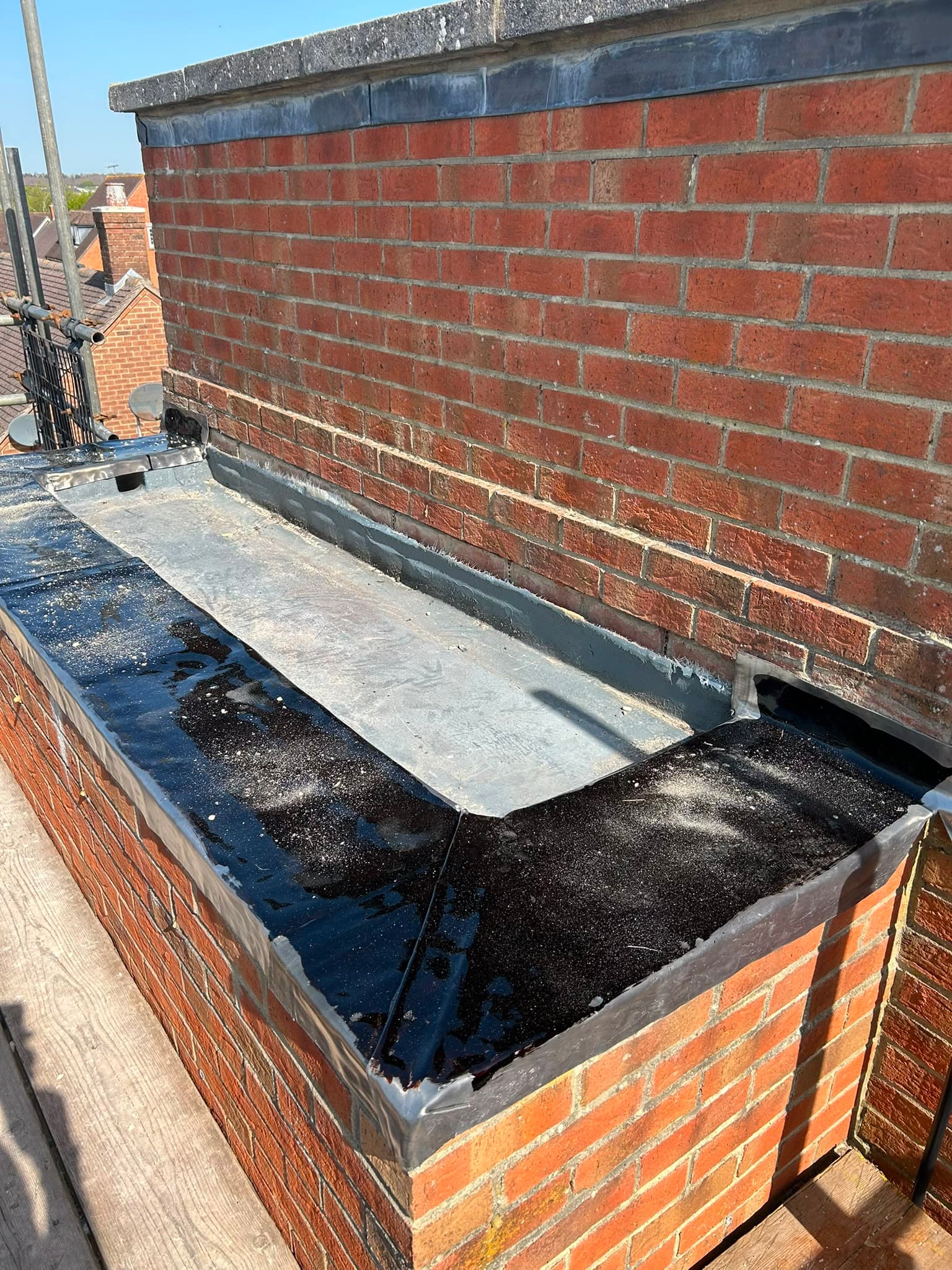
Down to the deck, boards made good, falls corrected and the surface primed as the manufacturer requires.
 Step 3
We bond the layers and guarantee it
Underlay and cap sheet bonded to spec, upstands and outlets detailed, site cleared and the guarantee issued.
15–25 yr
Expected life
2–3 days
Typical roof
Backed
Manufacturer guarantee
5
Towns we cover
Torch-on against the other two systems
Where a built up system earns its place, and where we would point you at one of the others instead.
| Torch-on felt | EPDM rubber | GRP fibreglass | |
|---|---|---|---|
| Typical life | 15 to 25 years | 25 to 30 years | 20 to 30 years |
| Large roofs | The most practical of the three | Needs a bonded joint over a certain size | Fine, but slow over a big area |
| Layers | Two or more, fully bonded | One sheet | One cured shell |
| Guarantee | Manufacturer backed on the system we use | Ours | Ours |
| Foot traffic | Occasional only | Occasional only | The best of the three |
| Laying it | Needs a naked flame on site | Cold applied, no flame | Needs dry weather to cure |
| Our honest take | Larger roofs, and where a backed guarantee matters most | Small garage and extension roofs | Anything that gets walked on |
Swipe to see every column
What goes into the finished roof
Laid to the manufacturer specification, which is what makes the guarantee worth having.
Deck stripped and made good
Back to the boards, soft deck cut out and replaced. Bonding a new system to a wet or rotten deck traps the moisture underneath it.
Falls corrected before anything is bonded
Firrings in where water has been standing. Ponding is the single biggest thing that shortens the life of a felt roof.
Primed and layered to spec
Primer, underlay and cap sheet, each bonded across its full face with the lap widths the manufacturer specifies rather than the ones that go quicker.
Upstands and outlets detailed
The layers are carried up the upstand and dressed into the outlet. This is where a felt roof leaks if it is going to.
Flame handled carefully
A torch is used, so timber, eaves and anything combustible are protected, and we do not walk away straight after finishing.
A manufacturer backed guarantee
On the system we use, the guarantee comes from the manufacturer as well as from us, provided the roof is laid to their spec. Which is why we lay it to their spec.
Straight answer
What a torch-on roof costs
Priced after we have seen it
Torch-on tends to be the most economical system per square metre once a roof gets big, which is exactly why it is used on larger roofs. On a small garage the difference between the three systems is mostly labour. What moves the figure either way is the deck, the falls and the amount of upstand and outlet detail.
- Strip, deck repairs, primer, layers, detailing and waste in one figure
- Deck replacement priced separately and only where we find it
- Insulation quoted as an option, not slipped in
- No charge for coming out and no pressure afterwards
On a small roof we will tell you if rubber would serve you better, even though it is not the dearer job.
How the job runs
Two to three days on a typical roof, longer on a large one.
Survey
On the roof, tracing where the water actually gets in and checking the state of the deck underneath.
Strip
Old covering off and the deck exposed and dried out.
Deck, falls and insulation
Boards replaced where needed, falls corrected with firrings, insulation laid if it is a warm roof build-up.
Prime
The deck is primed as the manufacturer requires, so the first layer bonds to it properly rather than sitting on dust.
Underlay and cap sheet
Layers bonded with the torch, laps to the specified width, then the mineral finished cap sheet over the top.
Details, clear up and guarantee
Upstands, outlets and edge trims finished, waste away, ground swept, guarantee issued.
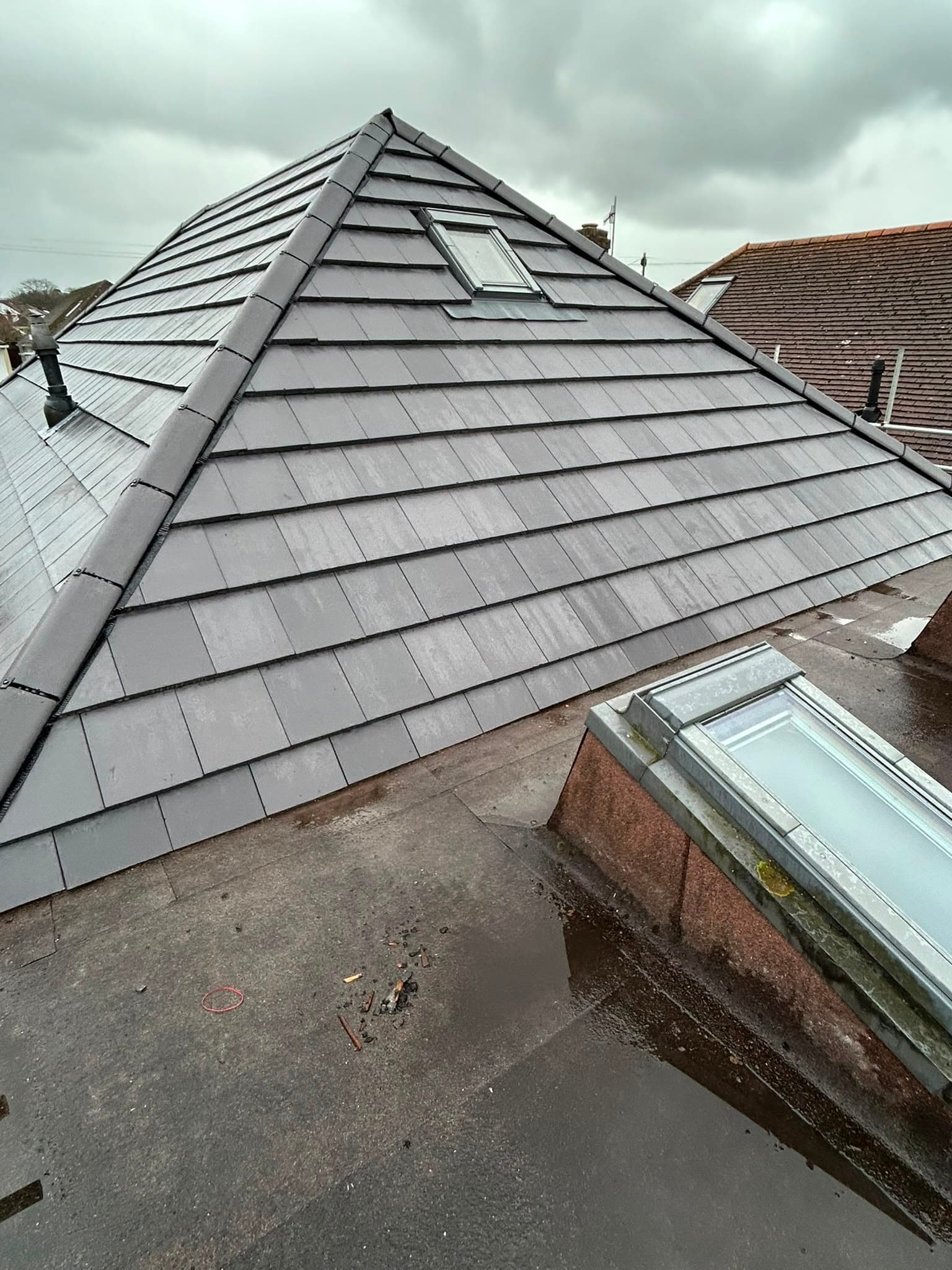
Torch-on roofs we have laid
Our own work. No stock photography.
Captions name what the roof covers and the town.
What customers say
We are a new company and we are building this up honestly. These are the jobs people have been kind enough to comment on.
George Gudge
Can't recommend Southern Counties Roofwork highly enough. I had them out for full re-roof / fascias & guttering - and the whole experience was spot on. Great communication, gave me a clear quote and explained everything properly. The team were punctual, polite, hardworking and obviously know their trade. The finished roof looks brilliant and is built to last. No mess left behind either.
Jacey Arnold
Recently had this company out to have my roof repaired after having problems with leaks during the winter months and something I had been looking to get sorted. The guys came out to take a look at the issues before quoting, once a quote was given work was agreed and I went ahead. Extremely professional, reliable and hard working! Would highly recommend this company and would definitely use again.
Celine Fox
Owen and Sam did a fantastic job with our roof. They were professional, reliable, friendly, and clearly take pride in the work they do. The work was completed to a really high standard, and everything was left clean and tidy afterwards. I’d definitely recommend to anyone looking for a trustworthy roofing company. Great service from start to finish!
Our projects
Jobs written up properly. What we found, what we did and how long it took.
The things people ask before booking
Most of them are about the torch, and they are fair questions.
Is a naked flame safe on my roof?
It is used every day on flat roofs across the country, but it does need care. Timber, eaves and anything combustible get protected, and we do not pack up and leave the moment the last sheet is down.
Is this the same as the old felt roofs that failed?
No. Those were usually a single thin layer nailed down. A modern torch-on system is multiple reinforced layers bonded across their full face, laid to a manufacturer specification.
What if it rains during the job?
The deck has to be dry to bond to, so we work to the forecast and do not strip more than we can cover. If the weather turns, it gets sheeted and made watertight.
What goes wrong on felt roofs
Four things worth looking for. Only one of them means a new roof.
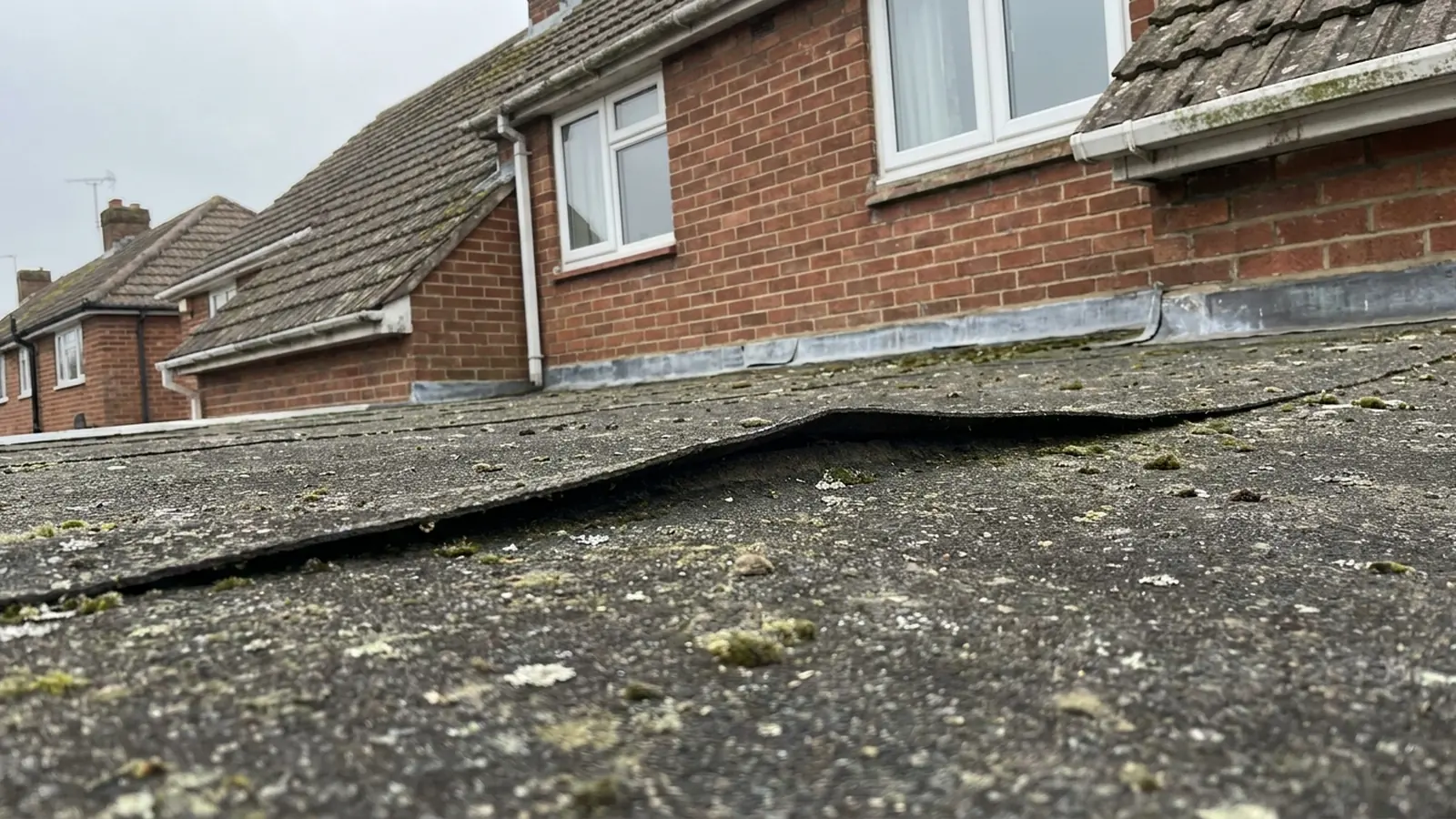
An edge or lap lifting away
What it actually isA lap that was never fully bonded, or one that has taken a knock. On its own this is a repair, and a straightforward one.
What it needs
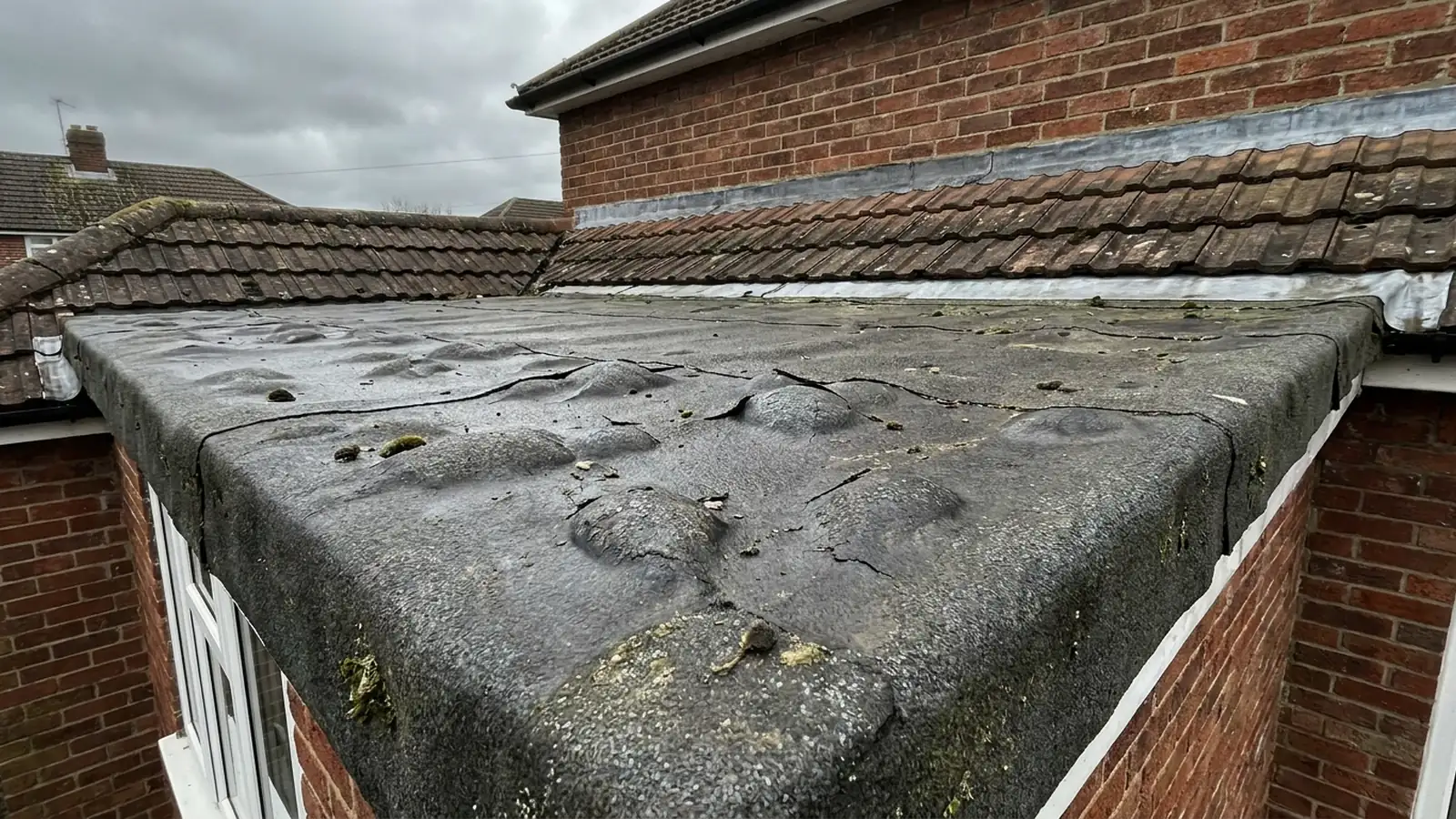
Blisters and bubbles across the surface
What it actually isMoisture trapped under the covering, usually from bonding onto a damp deck. Once it is widespread the covering is spent, and patching blisters just moves the problem along.
What it needs
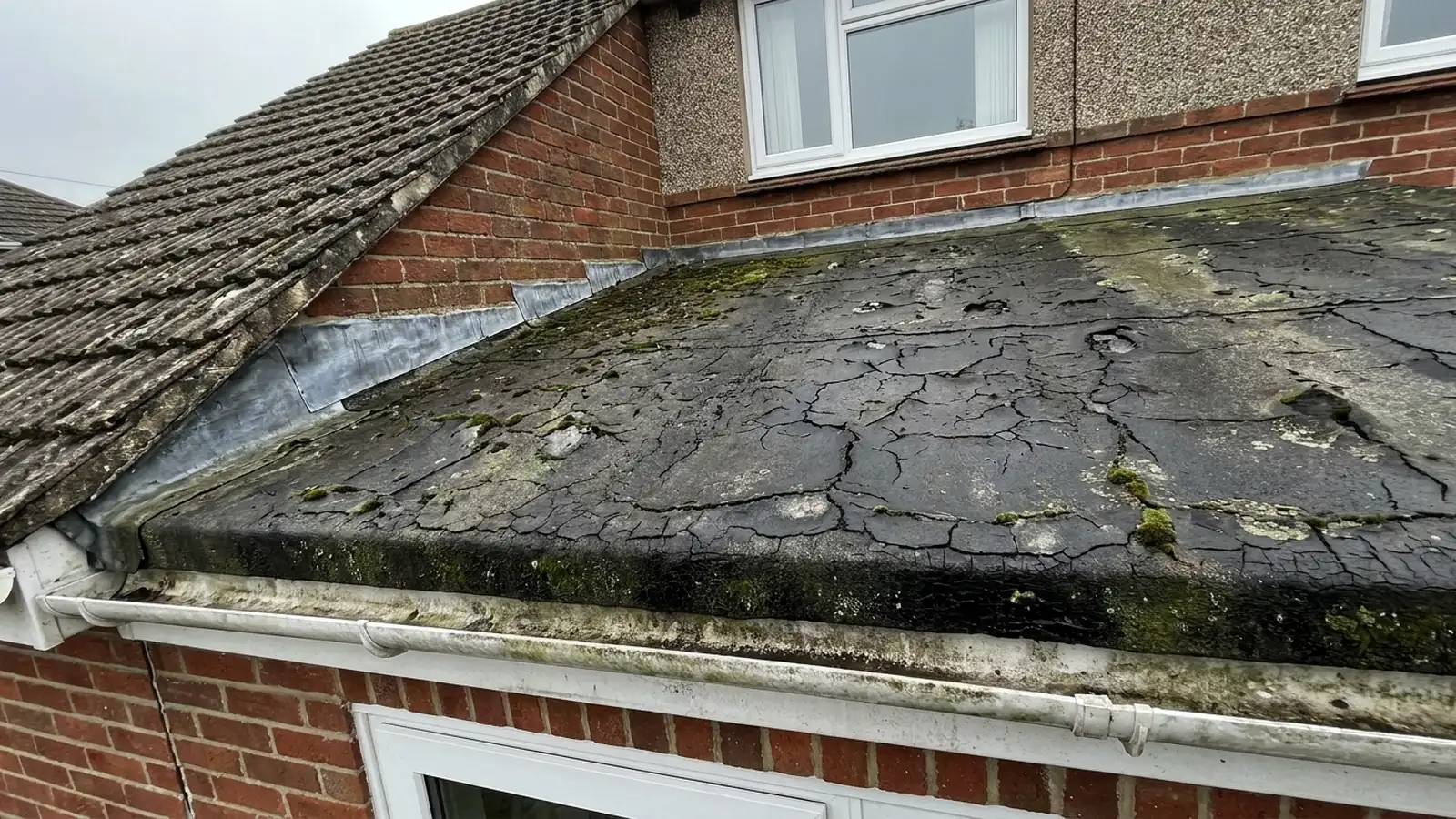
The surface crazed and cracking across the whole roof
What it actually isAge. Bitumen goes brittle over time, and once it has crazed everywhere rather than in one patch, the roof has reached the end of its life.
What it needs
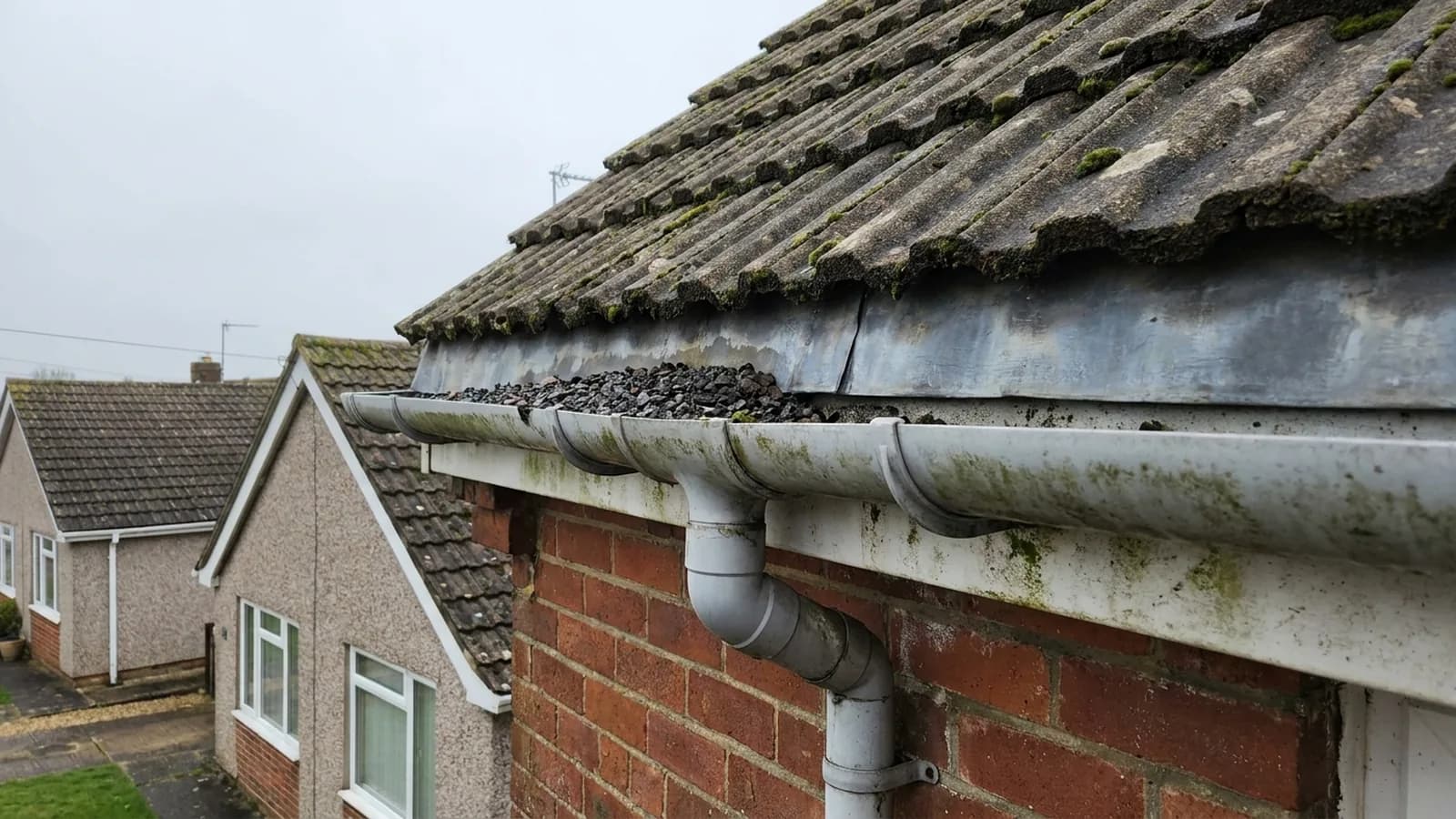
Mineral finish washing off into the gutter
What it actually isNormal weathering, and not urgent on its own. It does mean the roof is getting on, so it is worth having looked at rather than ignored.
What it needs
The first and last are repairs or monitoring. Widespread blistering or crazing is the one that means starting again.
Why felt roofs got their reputation, and why it is out of date
If you are over about forty you probably remember a felt flat roof that failed, and you may well have been told since that flat roofs simply do not last. That reputation was earned honestly, and it is worth explaining where it came from, because the material being sold today is not the same thing.
The flat roofs that gave the trade its bad name were typically a single layer of bitumen felt, nailed rather than bonded, laid over a deck with no proper falls. One layer means one line of defence. Nailed means a hole every few inches. No falls means water sitting on it for weeks. Any one of those is a problem, and together they are a roof with a ten year life at best.
A modern torch-on system is a different proposition. Two or more reinforced layers, bonded across their entire face to the deck and to each other, with laps to a specified width and a mineral surfaced cap sheet on top. There is no single skin doing all the work, and there are no nail holes through the waterproofing.
The other change is the guarantee. We use a system specifically because the manufacturer will stand behind it, and that only applies if the roof is laid to their specification. Their primer, their layers, their lap widths, their detailing at the upstands. It takes longer than doing it our own way, and it is the reason the guarantee is worth something rather than being a piece of paper from a firm that might not exist in ten years.
Where torch-on genuinely still wins is on larger roofs. A rubber membrane has to be joined once a roof gets past a certain size, and fibreglass over a big area is slow work that the weather can stop. A built up system goes down in manageable widths, in most weather that is not actually raining, and it costs less per square metre as the area grows.
On a small garage roof we would often steer you to rubber instead, and we will say so. The honest answer is that all three are good systems now, and the failures we get called out to are nearly always about the deck, the falls and the detailing rather than which product was chosen.
Questions about torch-on felt roofing
Is felt not an old fashioned choice?
The single layer nailed felt that failed on so many garages is old fashioned, yes. Modern torch-on is a layered system fully bonded to the deck and laid to a manufacturer specification. It is what most large flat roofs are covered with.
How long will it last?
Laid on a sound deck with the falls right, 15 to 25 years depending on the build-up. What shortens it is standing water and a deck that was never dried out or made good before the system went on.
Is the guarantee really from the manufacturer?
On the system we use, yes, provided the roof is laid to their specification. That is exactly why we follow their spec rather than our own habits. We will explain what the guarantee covers before you commit.
Is the torch a fire risk?
It needs care and it gets it. Timber and combustible material are protected, the work is planned so we are not torching against something we cannot see behind, and we do not leave immediately after finishing.
Can you repair my existing felt roof?
Usually. A lifted lap, a failed upstand or a split is a repair. What we will not do is patch a roof that has blistered or crazed across the whole surface, because you would be paying twice inside a year.
Can it go over the old felt?
We would rather not. Overlaying traps whatever moisture is in the old covering and hides the state of the deck. The point of stripping is to find out what you are actually bonding to.
Which system should I choose?
Torch-on for larger roofs and where the backed guarantee matters. Rubber for a small garage or extension roof. Fibreglass for anything that gets walked on. Tell us what the roof covers and we will give you a straight recommendation.
- Service
EPDM Rubber Roofing
One sheet, no seams, cold applied.
Learn more - Service
GRP Fibreglass Roofing
Tougher underfoot, cures as one piece.
Learn more - Service
Roof Repairs
Where a repair will do instead of a new roof.
Learn more - Service
Roofline & Guttering
The outlets and downpipes a flat roof drains into.
Learn more
Where we lay torch-on roofs
Based in Bournemouth, working across the conurbation and the towns just outside it.
Find out which flat roof system suits yours
Tell us what the roof covers and what it is doing. We will recommend the system that fits, not the one worth most to us.
Get a free quote
Tell us what you need and we'll come back with a price. No pressure, no hard sell.
Prefer to talk? Call Southern Counties Roofworks Ltd on 07895 305286